Travel used to feel exhausting long before people even reached their destination.
Crowded airports, loud hotel environments, confusing check-in procedures, and constant interruptions made many trips feel stressful rather than relaxing. For years, travel companies focused heavily on adding more luxury, larger spaces, or faster services. Recently, though, something more subtle started shaping modern travel experiences: quiet technology.
The most impressive travel technology today is often the kind people barely notice.
Modern travelers increasingly value calm environments over flashy features. Instead of overwhelming guests with screens and complicated systems, hotels and airports are starting to use technology in ways that quietly reduce stress in the background.
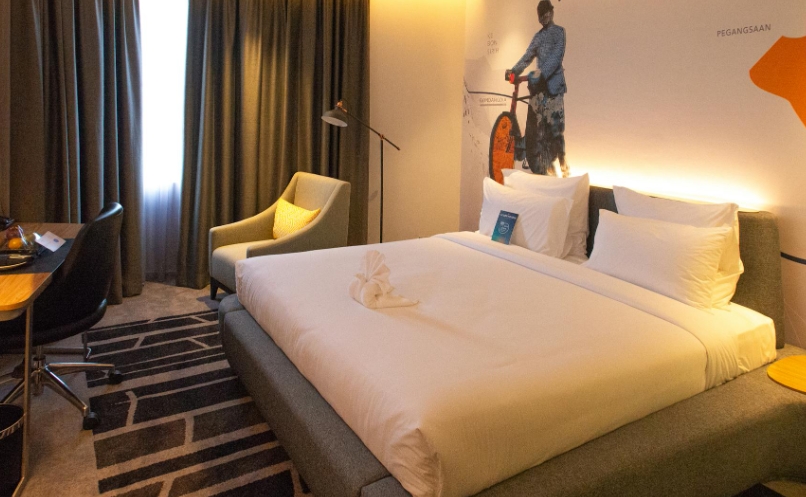
For example, many modern hotels now use smart lighting systems that automatically adjust brightness based on time of day. Warm lighting appears in the evening to create a calmer atmosphere, while softer morning tones help guests wake up more naturally.
Climate control systems are also becoming more intelligent. Instead of forcing guests to constantly adjust room temperature manually, some hotels now learn preferred settings automatically during the stay.
Interestingly, travelers rarely describe these features as “technology.”
They simply describe the experience as more comfortable.
That shift matters.
For years, travel technology focused mostly on visibility. Hotels wanted guests to notice futuristic features immediately. Today, the best systems often work silently in the background without demanding attention.
A 2025 hospitality experience survey highlighted this changing preference:
| Most Valued Hotel Feature | Guest Satisfaction |
|---|---|
| Quiet room environment | 84% |
| Comfortable bedding | 81% |
| Smart climate control | 73% |
| Fast Wi-Fi | 69% |
| Voice assistant features | 32% |
The numbers show something interesting: travelers care more about comfort and calmness than futuristic gadgets.
Noise reduction itself became a major focus inside modern hotels. Some premium properties now use sound-isolating walls, silent air-conditioning systems, and motion-sensitive hallway lighting to reduce unnecessary disturbances during the night.
Even airports are slowly changing their design philosophy.
Many newer terminals now include:
- quiet rest zones
- low-noise seating areas
- sleep pods
- dimmed relaxation spaces
- automated boarding systems
The goal is no longer simply moving passengers quickly. Airports increasingly recognize that reducing sensory overload improves the overall travel experience significantly.
Technology also helps simplify stressful moments that traditionally frustrated travelers. Mobile check-in, digital room keys, facial-recognition boarding systems, and automated luggage tracking reduce waiting times and unnecessary interactions.
Ironically, the future of travel technology may feel less technological than people expected.
The most successful systems will probably not involve robots everywhere or highly futuristic designs. Instead, they will focus on removing friction quietly and naturally.
Travelers do not necessarily want to feel surrounded by technology constantly.
They want to feel relaxed.
And modern hospitality companies are finally starting to understand that difference.