Last year, after an exhausting period of work, I booked a short trip to a small mountain town almost impulsively.
At the time, I didn’t really want adventure or sightseeing. I just wanted silence.
For months, my routine had become repetitive in the worst possible way. Wake up, check notifications immediately, spend hours staring at screens, answer endless messages, sleep late, then repeat everything again the next day.
Even during breaks, my mind never fully stopped working.
That was probably why the mountain trip affected me much more deeply than I expected.
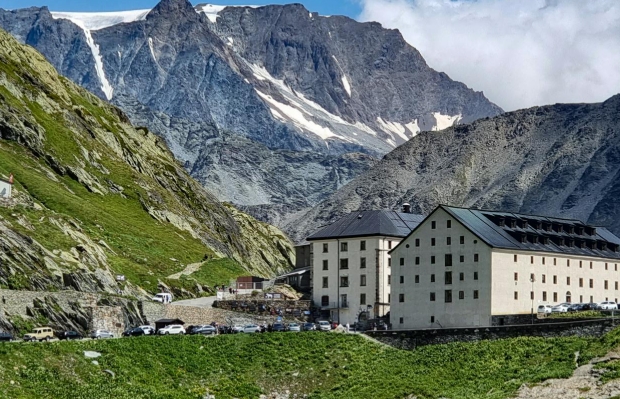
The town itself was extremely simple. No luxury shopping areas, no massive attractions, no crowded nightlife. Most mornings were quiet enough that I could hear birds outside the hotel window before sunrise.
At first, the silence felt strange.
Modern life conditions people to expect constant stimulation. Background music, notifications, conversations, traffic, advertisements — noise becomes so normal that quiet environments almost feel uncomfortable initially.
But after two days, my body started relaxing in ways I hadn’t noticed for a long time.
I slept better almost immediately. I stopped checking my phone constantly. Even walking through small streets without any schedule felt mentally refreshing.
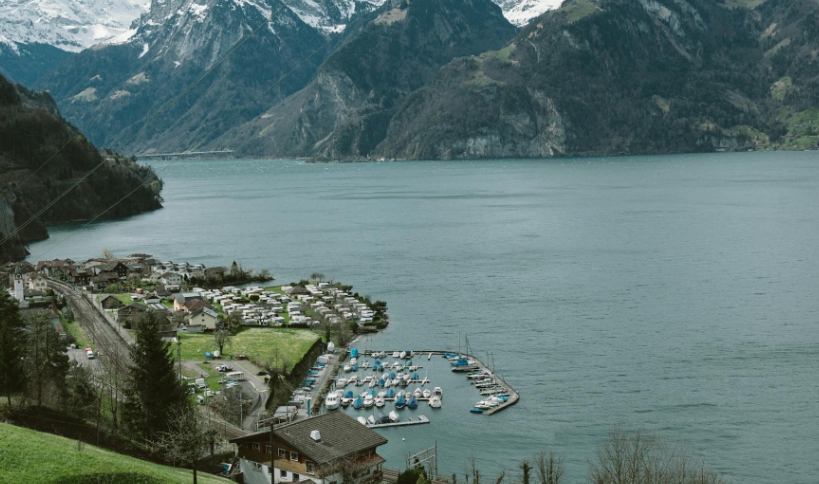
One thing I remember clearly was sitting near a lake early one morning without headphones or distractions. Normally, I always consume something while alone:
- podcasts
- music
- videos
- social media
That morning, I did absolutely nothing for nearly an hour.
Surprisingly, it didn’t feel boring at all.
It felt peaceful.
That experience made me realize how overloaded daily life had become without me fully noticing it. Constant productivity culture creates the feeling that every moment should be optimized somehow. The mountain trip temporarily removed that pressure.
According to a 2025 wellness travel report:
| Reason People Choose Quiet Travel Destinations | Percentage |
|---|---|
| Stress recovery | 68% |
| Better sleep | 54% |
| Mental clarity | 49% |
| Digital detox | 43% |
I completely understand those numbers now.
The trip also changed how I think about success.
Before traveling, I had unconsciously associated success mostly with speed:
- faster progress
- faster work
- faster results
- constant productivity
But spending time in a slower environment made me question whether constantly accelerating life actually improves happiness at all.
The people living in that town seemed calmer than many people I know in large cities. Their routines looked simpler, but not necessarily worse.
That realization stayed with me after returning home.
I didn’t suddenly quit technology or move into the mountains, obviously. But I started making small changes:
- reducing notifications
- protecting quiet time
- walking more without distractions
- sleeping earlier
- spending less time online at night
None of those habits sound dramatic individually, but together they changed how stressful daily life feels.
What surprised me most was that the trip itself wasn’t luxurious or highly planned. In fact, almost nothing “important” happened there.
And maybe that was exactly why it mattered so much.
For the first time in a long while, I stopped feeling like I needed to constantly catch up with life itself.