For a long time, most technology companies seemed obsessed with making devices louder, brighter, and more attention-grabbing.
Every new product needed bigger screens, stronger notifications, more features, and constant interaction. Smart homes originally felt similar. Voice assistants responded loudly, devices flashed constantly, and everything seemed designed to remind people that technology was everywhere.
Recently, though, I’ve noticed something changing in modern homes.
The most comfortable technology now often feels almost invisible.
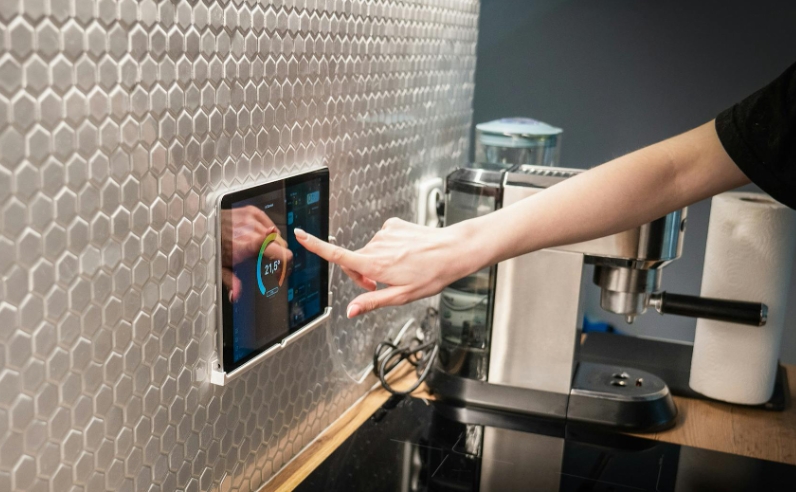
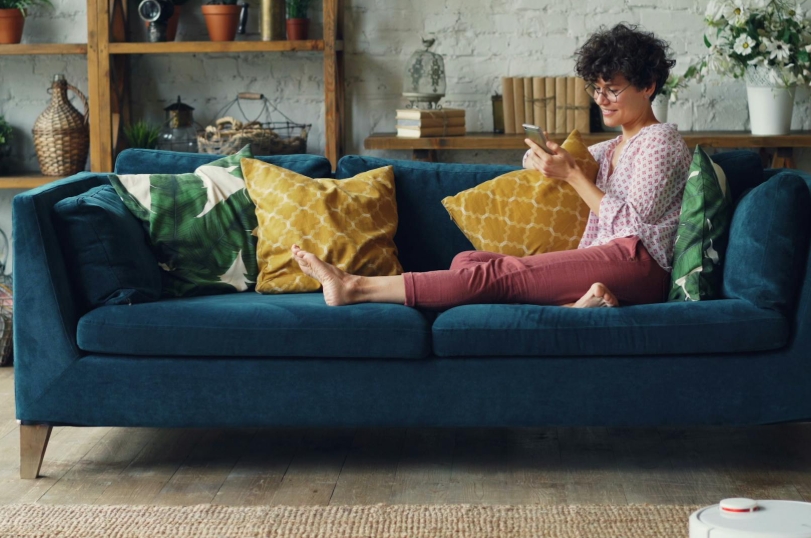
Instead of trying to dominate attention, newer devices focus more on reducing stress quietly in the background. Smart thermostats automatically adjust temperature without constant input. Robot vacuums clean silently while people work. Air purifiers monitor rooms without flashing lights or loud alerts every few minutes.
Even modern appliances are becoming calmer by design.
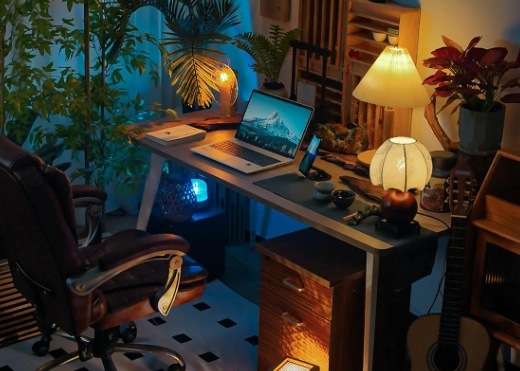
I started appreciating this shift after spending more time working from home over the last couple of years. Once your living space also becomes your workspace, loud or distracting technology quickly becomes exhausting. Devices that constantly demand interaction stop feeling “smart” very quickly.
That’s probably why quieter technology started becoming more appealing.
One of the best examples in my apartment is actually my air purifier. It sounds insignificant, but I barely notice it running most days. There are no aggressive sounds, no bright displays, no interruptions. It simply improves the environment quietly in the background.
That seems to be where modern home technology is heading overall.
A consumer technology report recently highlighted changing preferences among younger homeowners:
| Preferred Smart Home Feature | Popularity |
|---|---|
| Quiet operation | Very High |
| Energy efficiency | High |
| Automation | High |
| Voice control | Medium |
| Bright displays | Low |
People increasingly want technology that blends naturally into life instead of constantly reminding them it exists.
I think this reflects a larger shift happening culturally as well. Most people already spend enough time overstimulated online. At home, they want the opposite feeling — calmer spaces, less visual noise, and fewer interruptions.
Ironically, the smartest technology often ends up being the least noticeable.
And honestly, I think that’s a good thing.