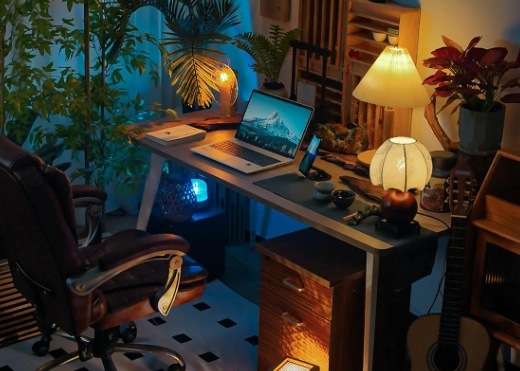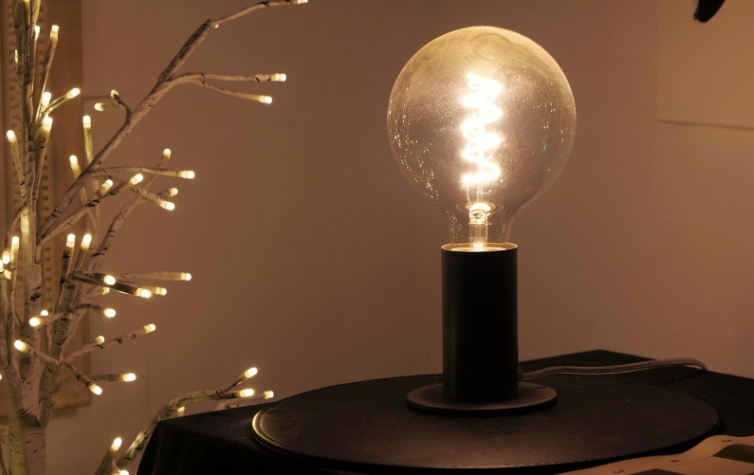
I never paid much attention to lighting until I moved into a smaller apartment last year. At first, the place looked fine during the daytime, but every evening it somehow felt cold and uncomfortable no matter how clean or organized it was. I originally thought the problem was the furniture or layout, but after a while I realized the lighting was affecting the atmosphere far more than I expected.
Like most apartments, mine came with bright white ceiling lights that made every room feel flat and slightly tiring after a long day. The space looked practical, but it never really felt relaxing. One night, after spending hours working under harsh lighting, I ended up ordering a few simple smart lamps almost impulsively.
Honestly, I expected them to feel gimmicky.
Instead, they completely changed the mood of the apartment within a few days.
The biggest difference wasn’t even the technology itself. It was the ability to create softer environments depending on the time of day. Warm lighting in the evening made the apartment feel calmer immediately, especially after spending hours staring at bright screens for work.
I also noticed something unexpected: softer lighting changed my habits naturally. Instead of staying mentally alert late into the night, evenings started feeling slower and quieter. I spent less time scrolling endlessly on my phone and more time reading or simply relaxing without constant stimulation.
A recent home wellness report showed that people increasingly associate comfortable living spaces with lighting quality rather than room size alone.
| Home Feature | Impact on Comfort |
|---|---|
| Warm lighting | High |
| Natural sunlight | Very High |
| Noise reduction | High |
| Minimal clutter | Medium |
That honestly makes sense now. Most people focus heavily on furniture or decoration when trying to improve a space, but lighting quietly shapes how the brain feels inside a room.
The interesting thing is that modern smart lighting doesn’t need to feel futuristic or complicated. Most people aren’t interested in colorful effects or voice-controlled routines all day. What they actually want is simple comfort — softer evenings, easier mornings, and environments that feel less mentally exhausting.
Now whenever I walk into apartments with harsh ceiling lights everywhere, the difference feels obvious immediately. It’s strange how something so small can influence mood so strongly without people fully noticing it.
I still think technology becomes most useful when it quietly improves daily life instead of constantly demanding attention. Smart lighting ended up doing exactly that for me. It didn’t make life more exciting, but it definitely made home feel calmer.
And honestly, that turned out to be much more valuable.