I used to think smart kitchens were unnecessary.
Whenever I saw videos of app-controlled coffee machines or voice-activated appliances, it honestly looked excessive. Cooking already felt simple enough without turning the kitchen into another place filled with complicated technology.
Then I started spending more time cooking at home.
After a while, I realized the kitchen was one of the few places where small conveniences actually made daily routines noticeably easier. Not futuristic conveniences — just small things that quietly remove friction from repetitive tasks.
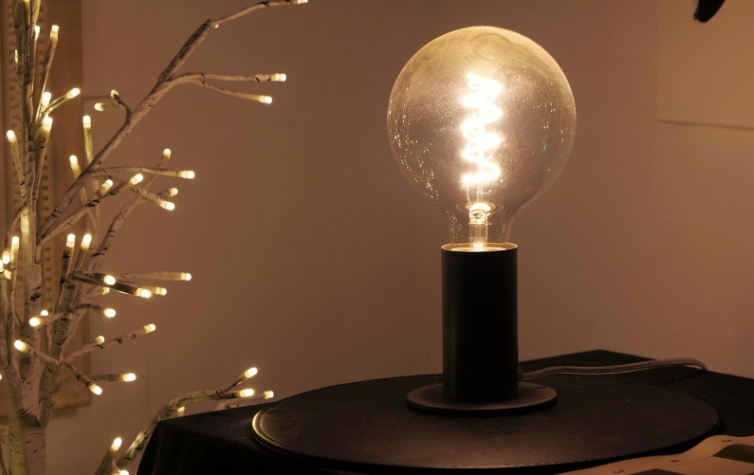
The first thing I changed was lighting. Instead of one harsh ceiling light, I added softer under-cabinet lighting that automatically turns on during the evening. That one change alone made the kitchen feel less cold and much more comfortable at night.
Later I added:
- a quieter coffee machine
- wireless charging near the counter
- automatic temperature kettle
- small smart speaker for timers
None of those devices felt life-changing individually, but together they made the space feel smoother and calmer.
The interesting thing is that modern smart living rarely works best when it feels “high-tech.” Most people don’t actually want homes that feel like science fiction movies. They want homes that feel easier to live in.
That’s probably why the most successful smart devices are usually the simplest ones.
A recent smart home report showed:
| Most Appreciated Smart Kitchen Feature | User Satisfaction |
|---|---|
| Automatic lighting | High |
| Quiet appliances | High |
| Smart coffee systems | Medium |
| Voice assistants | Medium |
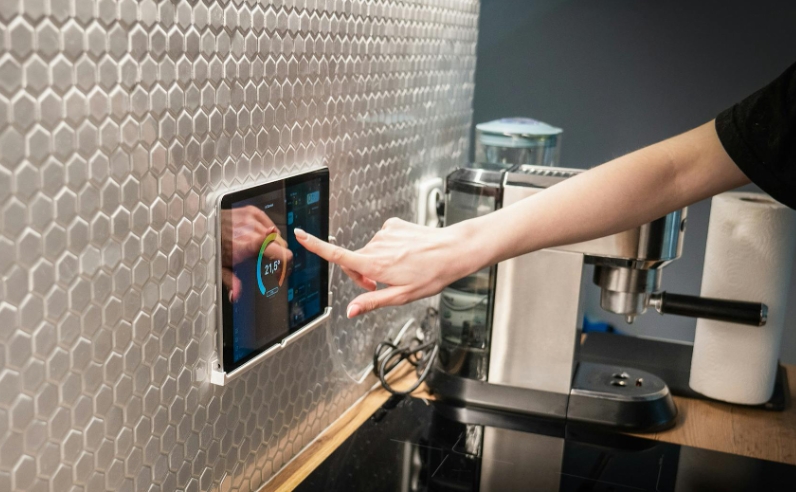
| Touchscreen appliances | Low |
The results make sense to me now because convenience matters more than novelty.
I also noticed that calmer kitchen environments changed my routines unexpectedly. Cooking started feeling less rushed. I spent more time preparing food properly instead of ordering delivery constantly. Even cleaning felt less annoying when the environment itself felt comfortable.
It’s funny because none of this has much to do with luxury. Most upgrades were relatively small. But modern life already feels chaotic enough outside the home. Spaces that feel calm and functional quietly improve daily mood more than people expect.
And honestly, I think that’s why smart living became so popular recently. People are not necessarily searching for futuristic homes. They’re searching for environments that feel less stressful.