I used to think beautiful scenery only mattered for photographs.
Whenever people talked about mountains, lakes, sunsets, or coastal views changing their lives, I honestly thought they were exaggerating a little. A view was just a view, right? Nice to look at for a few minutes, maybe worth posting online, then eventually forgotten.
That changed during a trip I took to northern Switzerland last autumn.
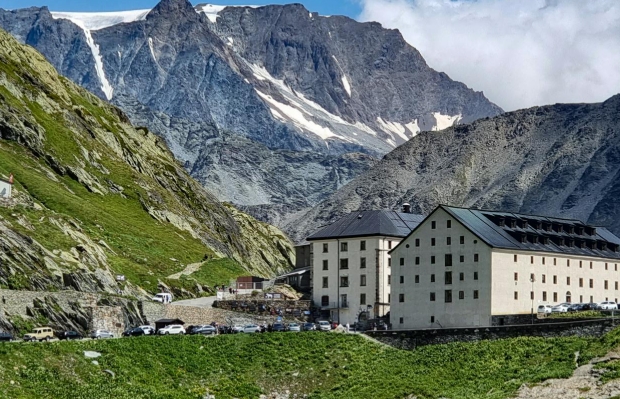
I still remember arriving in the small mountain town late in the afternoon. The weather was cold, the streets were almost empty, and low clouds covered part of the mountains in the distance. At first, nothing about the place felt dramatic or cinematic. In fact, it was surprisingly quiet.
The next morning, though, I woke up before sunrise because of the sound of wind outside the hotel window. I opened the curtains expecting grey weather again, but instead the entire valley was covered in soft golden light. The mountains looked completely different from the day before — brighter, calmer, almost unreal.
For a few minutes, I just stood there without saying anything.
What surprised me most was not how beautiful the scenery looked, but how still my mind suddenly felt.
Back home, life usually moves quickly:
- constant notifications
- crowded schedules
- endless online information
- work pressure
- background noise everywhere
Most days, my attention jumps constantly from one thing to another without rest.
But standing there looking at the mountains, everything slowed down naturally. I was not checking my phone, listening to music, or thinking about work. I was simply present in the moment without forcing it.
That feeling stayed with me during the entire trip.
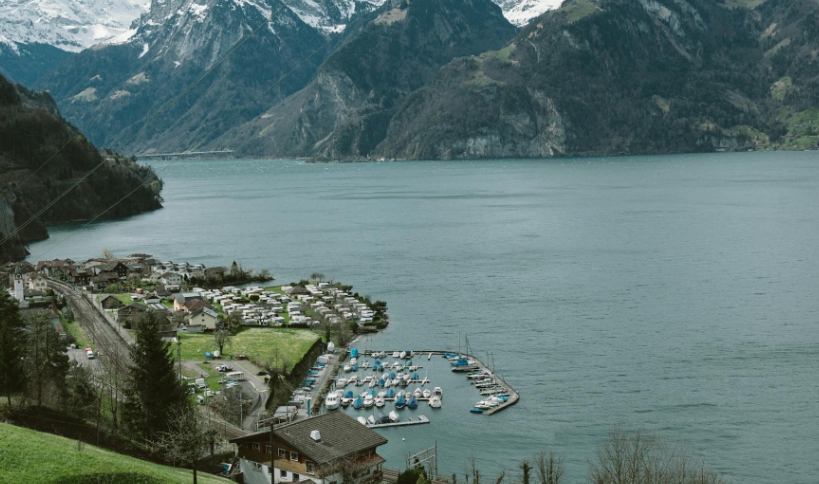
One afternoon, I took a train through several small villages near the mountains. The scenery outside the window barely looked real — frozen lakes, wooden houses, forests covered in fog, and tiny roads disappearing into the hills.
Interestingly, the most memorable moments were not famous tourist attractions. They were small details:
- warm café lights during snowfall
- empty streets early in the morning
- distant church bells echoing through the valley
- cold air after sunset
- reflections on quiet lakes
Those moments felt strangely calming because they were completely different from daily urban life.
A 2025 travel psychology study found that natural scenery has measurable effects on mental recovery and stress reduction.
| Travel Experience | Reported Emotional Impact |
|---|---|
| Mountain landscapes | High relaxation |
| Coastal scenery | Reduced stress |
| Forest environments | Improved focus |
| Quiet rural locations | Better sleep quality |
Looking back, those results make complete sense to me now.
Modern life rarely gives people uninterrupted mental space anymore. Beautiful scenery matters because it temporarily removes people from environments filled with pressure and constant stimulation.
That may explain why certain travel memories stay vivid for years while others disappear quickly.
Most people do not remember every hotel room or restaurant clearly. But they often remember specific feelings connected to landscapes:
- the first view after reaching a mountain peak
- sunsets during long drives
- ocean sounds late at night
- fog moving slowly through forests
Scenery becomes emotional memory instead of visual memory.
The trip also changed how I use technology while traveling. Normally, I take photos constantly because I worry about forgetting moments later. During that trip, though, I noticed that some of my strongest memories happened when I stopped trying to capture everything digitally.
Sometimes the experience itself felt more important than documenting it.
After returning home, I noticed small changes in my daily habits too. I started spending more time outside, walking without headphones occasionally, and paying more attention to quiet environments instead of constantly surrounding myself with noise.
The scenery itself did not magically solve anything in my life.
But it reminded me how different the human mind feels when it finally slows down long enough to actually notice the world around it.
And honestly, I think that’s why certain landscapes stay with people forever.