Working from home used to sound temporary to a lot of people.
Now, for many, it has become a normal part of life. What surprised me most wasn’t how work itself changed, but how differently people started thinking about their homes afterward.
Before remote work became common, most people didn’t care much about desk setups or home office comfort unless they worked in creative industries. A kitchen table and a laptop usually felt “good enough.” But after spending entire days working from home, small environmental problems became impossible to ignore.
Bad chairs caused back pain. Poor lighting created headaches. Loud spaces made concentration difficult. Even clutter started affecting focus more than expected.
I experienced this myself after several months of working from a tiny desk near my living room window. At first, I thought productivity was only about discipline and time management. Eventually I realized the physical environment matters just as much.
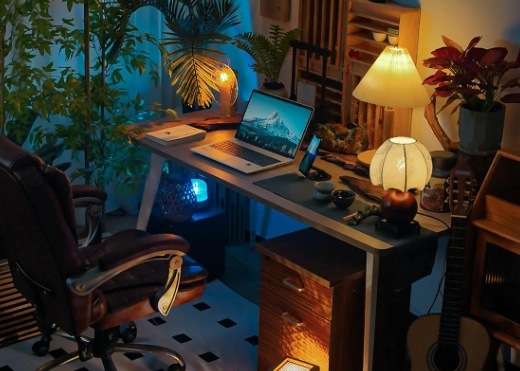
Once I upgraded my setup gradually — better lighting, a cleaner desk, a more comfortable chair — workdays started feeling noticeably less draining.
The interesting part is that comfort often improves focus more effectively than forcing productivity routines constantly.
A remote work survey published last year found that employees with personalized home workspaces reported lower stress levels and higher concentration overall.
| Workspace Upgrade | Reported Benefit |
|---|---|
| Ergonomic chair | Reduced fatigue |
| Better lighting | Improved focus |
| Cleaner desk | Lower stress |
| Noise reduction | Better concentration |
That explains why home setups suddenly became such a huge trend online. It’s not only about aesthetics or expensive equipment. People are trying to build environments that feel sustainable for daily life.
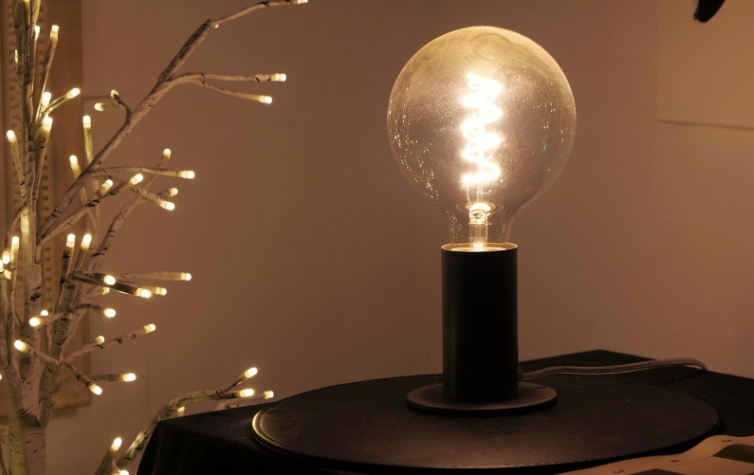
I also noticed that modern workspaces increasingly focus on calmness instead of pure productivity. Softer lighting, quieter keyboards, minimal desk layouts, and even plants became common because people want work environments that feel less mentally aggressive.
After all, many people now spend more time at their desks than almost anywhere else.
One thing I’ve learned from improving my own setup is that comfort affects mood much more than expected. A stressful environment slowly drains energy throughout the day, while a calmer workspace makes even difficult tasks feel more manageable.
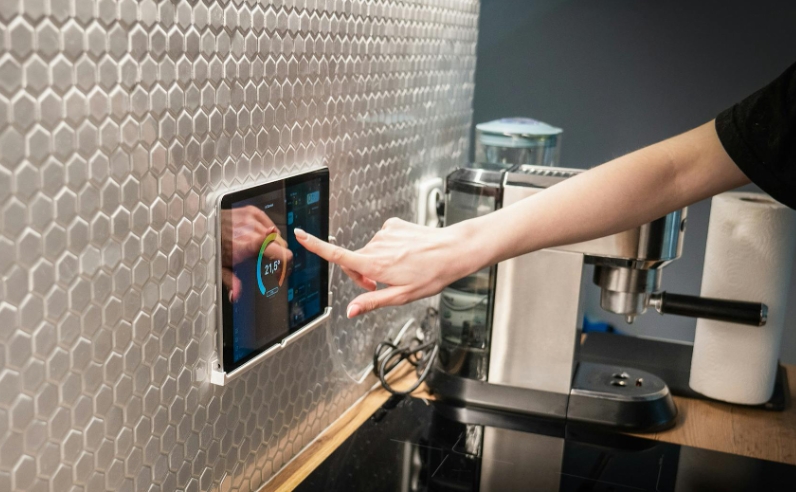
Technology helps with that when used carefully. Wireless devices reduce clutter, adjustable lighting feels easier on the eyes, and smaller smart upgrades create smoother routines without adding more distraction.
At this point, I don’t think people are obsessed with desk setups because they want luxury. Most are simply trying to make modern life feel slightly less exhausting.