For years, my phone was the last thing I touched before sleeping.
I used to lie in bed scrolling endlessly through videos, messages, random news, and social media until my eyes felt tired enough to close. At the time, it felt harmless. In fact, I convinced myself it helped me relax after long workdays.
But looking back now, I realize I almost never slept properly during that period.
Even when I stayed in bed for seven or eight hours, mornings still felt exhausting. My mind always seemed active, like it never fully rested overnight. I blamed stress, work, caffeine — almost everything except the small glowing screen I held inches away from my face every night.
Everything changed after I accidentally forgot my charger during a weekend trip.
At first, it annoyed me. My battery was low, so I stopped using my phone early that evening and simply went to sleep without scrolling for hours like usual. Surprisingly, I woke up the next morning feeling more rested than I had in weeks.
That small moment made me curious enough to try something different after returning home.
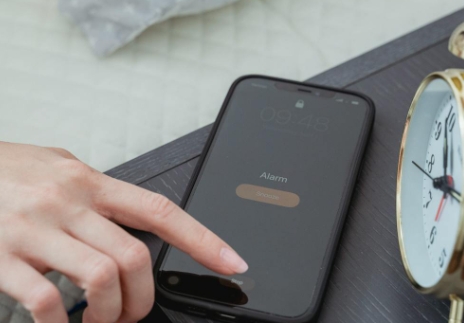
Instead of bringing my phone into bed, I started leaving it on the desk across the room. The first few nights honestly felt uncomfortable. My brain kept expecting stimulation:
- notifications
- short videos
- endless scrolling
- random internet searches
Without those distractions, I suddenly noticed how mentally noisy my evenings had become.
But after about a week, something shifted naturally.
I started falling asleep faster.
More importantly, my sleep felt deeper. Mornings became less heavy and stressful. I even noticed fewer headaches during workdays.
According to a recent digital wellness survey:
| Nighttime Habit | Reported Sleep Quality |
|---|---|
| Phone use before sleep | Low |
| Reading before sleep | Medium |
| No screens 1 hour before bed | High |
| Consistent bedtime routine | Very High |
The results make sense to me now because phones don’t simply consume time before sleep — they keep the brain alert. Even when people think they are relaxing, constant scrolling keeps attention active far longer than expected.
The strange part is that many people don’t even notice how tired they’ve become until they finally experience proper rest again.
Another thing I noticed was how different evenings started feeling emotionally. Without constant digital stimulation, nights became quieter mentally. I started reading more, listening to calm music occasionally, or simply sitting without doing anything for a while.
At first, that silence felt unusual.
Now it feels necessary.
I’m not someone who believes phones are bad or that technology ruins life completely. Most of us rely on devices every day for work and communication. But I do think many people underestimate how much mental energy endless nighttime scrolling quietly drains from them.
The internet is designed to keep attention active constantly. Sleep requires the exact opposite state.
That conflict explains why so many people feel exhausted even after technically sleeping long enough.
Months later, I still use my phone every day like everyone else. The difference is that it no longer controls the final hour before I sleep.
And honestly, that one small habit change improved my energy more than most expensive “wellness” products ever did.