Modern smartphones became predictable.
Every year:
- slightly better cameras
- faster processors
- thinner bezels
but visually, most devices started looking nearly identical.
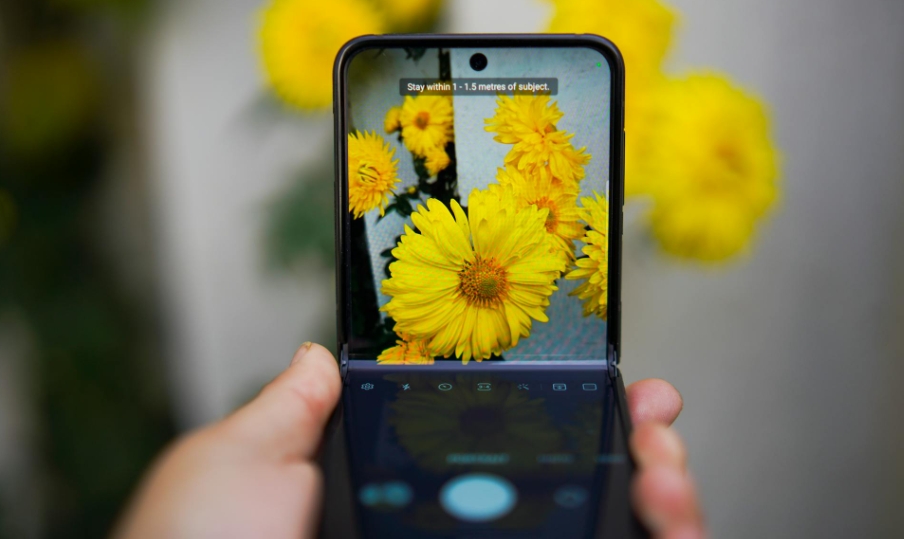
That’s partly why foldable phones continue attracting attention even though they remain expensive and imperfect.
For the first time in years, smartphones actually feel experimental again.
Why Foldables Feel Different Immediately
The moment people use a foldable phone for the first time, the experience feels noticeably unfamiliar.
Opening the screen changes how users interact with apps entirely.
Tasks like:
- reading articles
- watching videos
- multitasking
- editing documents
suddenly feel more flexible without requiring a separate tablet.
This creates a stronger sense of novelty than most standard smartphone upgrades.
The Biggest Problem Is Still Trust
Despite technological progress, many consumers still hesitate to buy foldable devices because of durability concerns.
People worry about:
- screen lifespan
- hinge reliability
- repair costs
- accidental damage
Those concerns are understandable because early foldables experienced highly publicized hardware failures.
Manufacturers improved significantly since then, but public perception changes slowly.
Foldables Are Still a Premium Product
According to 2025 global smartphone pricing data:
| Device Category | Average Price |
|---|---|
| Standard smartphone | $780 |
| Premium flagship | $1,150 |
| Foldable phone | $1,780 |
Foldables remain expensive partly because production complexity is still relatively high.
Flexible displays and hinge systems require advanced engineering and lower manufacturing yields.
That keeps prices elevated compared to conventional smartphones.
Why Tech Enthusiasts Love Them Anyway
For many technology enthusiasts, foldables represent something emotionally important:
progress that feels visible.
Modern consumer technology often improves invisibly through software optimization or internal hardware upgrades.
Foldables, however, create an obvious physical difference users can actually experience directly.
That excitement matters more than many companies realize.
Consumers don’t only want faster devices.
They also want products that feel new.
The Industry Needs Experimentation
One reason foldables continue receiving attention is because the smartphone industry reached design maturity.
Most devices already perform extremely well for daily tasks.
As a result, manufacturers increasingly search for ways to create excitement again.
Foldables may not become dominant immediately, but they reopened experimentation inside an industry that had become highly repetitive.
The Future May Look Completely Different
Current foldables probably represent only an early stage of flexible device design.
Future possibilities may include:
- rollable displays
- expandable screens
- modular devices
- wearable hybrids
The important part is not whether today’s foldables are perfect.
The important part is that smartphone design no longer feels frozen.
And after years of sameness, people find that surprisingly refreshing.