Internet culture once moved at a relatively manageable pace. A meme, online trend, or viral moment could stay relevant for months. Communities formed around forums, blogs, or specific websites where conversations evolved gradually over time. Today, online culture feels radically different. Trends explode globally within hours and disappear almost as quickly. Entire online conversations feel temporary before most people fully understand them.
The speed comes largely from algorithms. Modern platforms prioritize immediate engagement above almost everything else. Content that generates strong reactions spreads rapidly, while slower or more thoughtful material often struggles for visibility. As a result, creators constantly chase attention cycles that become shorter every year. What matters online is no longer longevity — it’s immediacy.
This environment changes not only how people consume content but also how they communicate. Internet humor, slang, and cultural references evolve so quickly that many users feel permanently behind. Younger audiences adapt rapidly because they spend enormous amounts of time online, but older users often experience internet culture as increasingly fragmented and exhausting. Entire communities can form around trends that disappear before outsiders even recognize them.
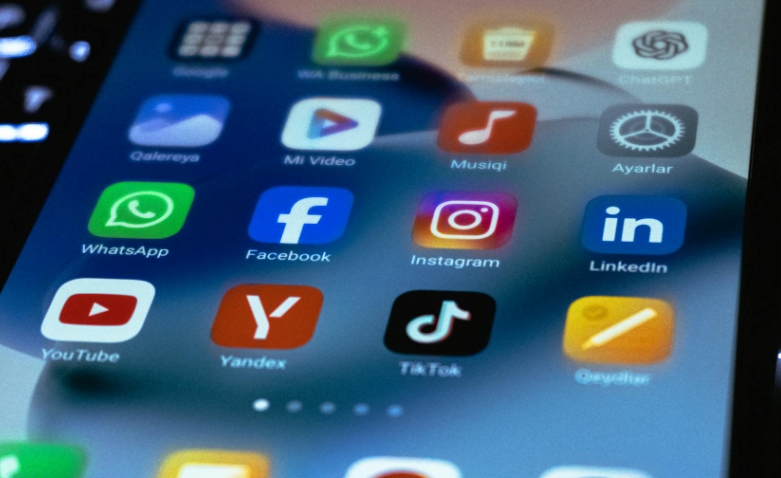
Another major difference is the collapse of boundaries between internet culture and real-world culture. Online trends no longer stay online. Fashion, language, political discussions, beauty standards, music, and even career paths are heavily influenced by digital platforms. A viral TikTok sound can shape global consumer behavior faster than traditional advertising campaigns ever could. Internet culture has effectively become mainstream culture.
At the same time, many users are beginning to question whether constant trend consumption actually creates meaningful connection. The internet encourages people to react quickly rather than engage deeply. Discussions often prioritize visibility over understanding because platforms reward speed, outrage, and repetition. In many spaces, users feel pressure to participate immediately before conversations disappear from public attention.
This creates a subtle feeling of instability online. Nothing feels permanent because platforms themselves are designed around constant novelty. People consume enormous amounts of information every day but retain very little emotional attachment to it. Trends become disposable entertainment rather than shared cultural experiences with lasting significance.
Interestingly, this exhaustion is causing some users to move toward smaller and slower online spaces again. Private communities, niche forums, independent blogs, and long-form content are quietly becoming more attractive to people who feel overwhelmed by algorithm-driven platforms. Many users are rediscovering the appeal of conversations that unfold slowly instead of disappearing within twenty-four hours.
The internet still moves faster than any communication system in human history, but speed alone no longer feels exciting to everyone. After years of nonstop digital acceleration, many people are beginning to value depth, stability, and authenticity in ways that internet culture rarely encouraged before.