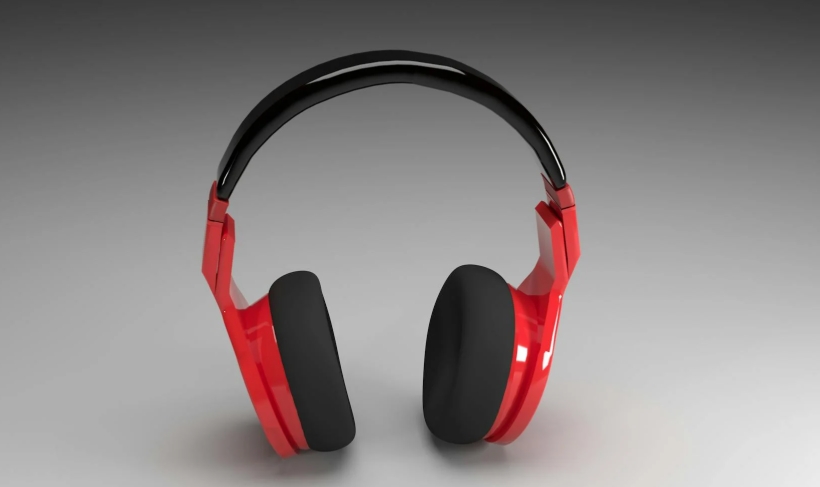
There was a time when noise-canceling headphones felt like a luxury product designed mainly for frequent travelers or serious music enthusiasts. Most people viewed them as expensive gadgets rather than something useful for everyday life.
That perception changed surprisingly fast.
Today, noise-canceling headphones have quietly become part of many people’s daily routines. You see them everywhere now — on trains, inside offices, at coffee shops, during workouts, and even while people are simply walking through busy cities. What once felt optional now feels almost necessary for some users.
The reason is not only sound quality. Modern life itself became louder.
People are surrounded by constant stimulation every day:
- phone notifications
- traffic noise
- crowded public spaces
- open office conversations
- construction sounds
- endless digital media
Even at home, true silence became harder to find. Many users say they wear noise-canceling headphones not because they want music, but because they want temporary calm.
That shift says a lot about how modern environments affect attention and mental energy.
One interesting thing about noise-canceling technology is how quickly users adapt to it emotionally. The first experience often feels surprisingly dramatic. Background sounds disappear almost instantly, creating a sense of personal space even in crowded environments.
For many people, that feeling becomes addictive.
According to a 2025 consumer audio survey:
| Main Reason for Using Noise-Canceling Headphones | Percentage |
|---|---|
| Better focus while working | 38% |
| Reducing travel noise | 24% |
| Relaxation and stress reduction | 21% |
| Music quality | 12% |
| Gaming and entertainment | 5% |
The data shows something important: productivity and mental comfort now matter more than entertainment alone.
Remote work played a major role in this transition. During the rise of hybrid and remote jobs, people suddenly needed quieter environments for video calls and focused work sessions. Many discovered that noise-canceling headphones helped create psychological separation between work and distractions.
Interestingly, some users even wear them without playing audio at all.
Modern open-office culture also contributed heavily to their popularity. Offices designed around collaboration often became difficult places for concentration. Headphones slowly turned into personal boundaries in shared environments.
The technology itself improved dramatically over the last few years. Early noise-canceling systems sometimes produced uncomfortable pressure sensations or unnatural sound filtering. Newer models feel smoother, lighter, and far more natural during long listening sessions.
Battery life improvements also made daily usage much more practical. Some premium models now last over 30 hours on a single charge, allowing users to wear them throughout entire workdays or long trips without interruption.
Still, the growing popularity of noise-canceling headphones also reflects something slightly concerning about modern life.
People increasingly search for ways to block out the environments around them. In many cities, silence itself became difficult to access naturally. Technology is now being used not only to connect people, but also to create moments of isolation and mental recovery.
That’s partly why these headphones feel different from ordinary gadgets. They are not simply audio devices anymore. For many users, they function more like tools for concentration, stress management, and emotional comfort.
And honestly, that may explain why they no longer feel optional.